
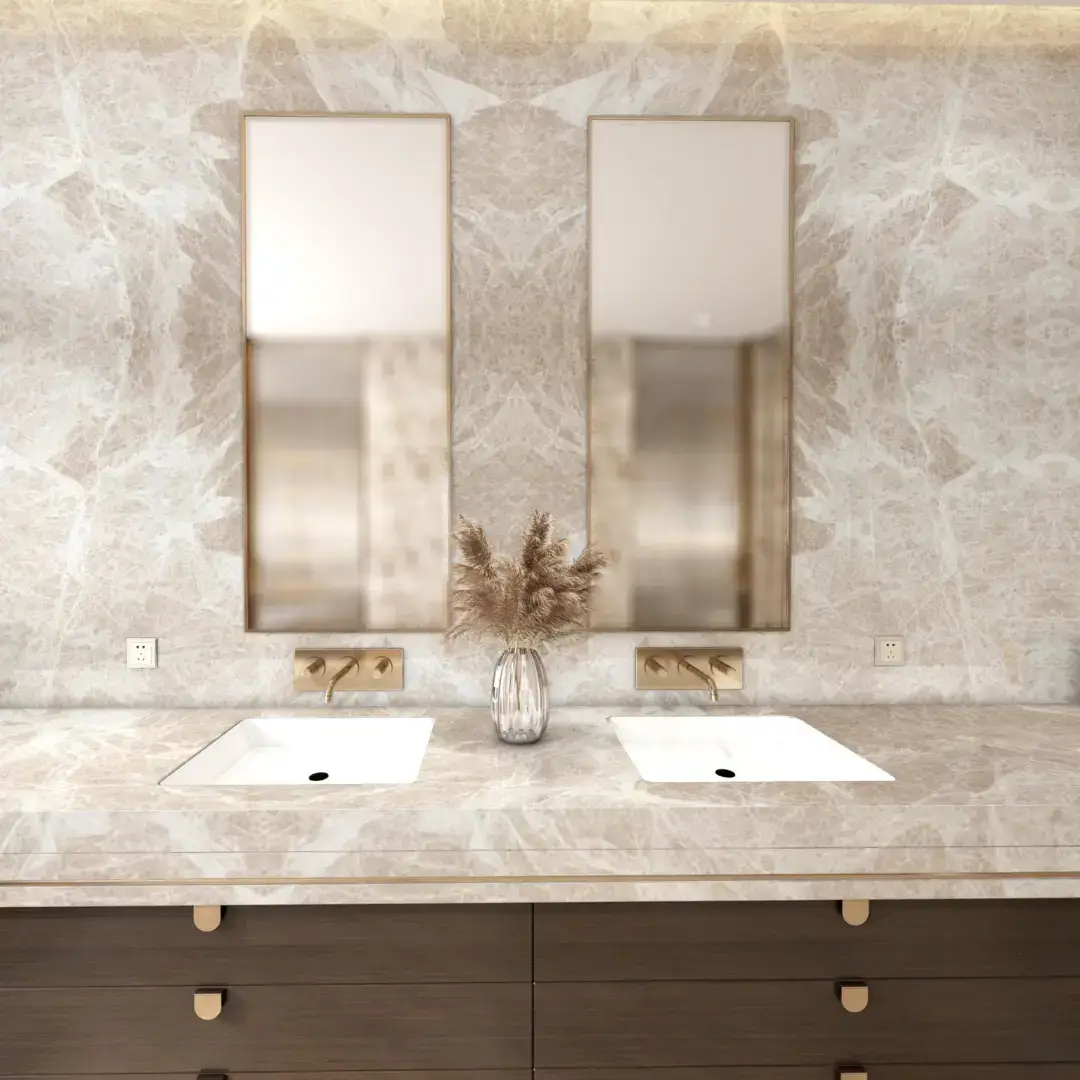
Marble has been prized for centuries as a symbol of luxury, durability, and timeless beauty. From ancient Greek temples to modern architectural masterpieces, this natural stone continues to play a central role in design and construction. However, as sustainability becomes a global priority, it is essential to explore the environmental impacts of marble production and to evaluate how the industry can adapt to greener practices.
In this article, we will discuss the environmental footprint of marble extraction and processing, the challenges it poses, and the emerging solutions aimed at making marble a more sustainable building material.
The Environmental Footprint of Marble Production
1. Quarrying and Habitat Disruption
The extraction of marble begins in quarries, often located in ecologically sensitive mountain regions. Quarrying involves removing large amounts of soil, rock, and vegetation, which can lead to deforestation, habitat loss, and soil erosion. Wildlife is displaced, and biodiversity is often reduced in these areas.
Moreover, quarrying requires the use of heavy machinery, blasting techniques, and cutting equipment, all of which contribute to noise and dust pollution.
2. Energy Consumption and Carbon Emissions
Marble is a dense and heavy material, which means both extraction and transportation demand high energy. Cutting blocks into slabs consumes large amounts of electricity, often derived from fossil fuels. Additionally, shipping marble across long distances—such as from quarries in Italy or Turkey to markets in North America or Asia—generates a significant carbon footprint.
3. Water Usage and Waste Generation
Processing marble requires large quantities of water for cooling and lubrication during cutting and polishing. This leads to concerns about water scarcity in regions already facing shortages.
The industry also generates massive waste. For every ton of marble extracted, a substantial percentage is lost as unusable fragments, dust, or slurry. These byproducts are often dumped in landfills or local environments, contributing to pollution and land degradation.
Sustainable Practices in the Marble Industry
1. Responsible Quarry Management
To minimize environmental harm, modern quarries are adopting site rehabilitation and reforestation programs. Once quarrying activities end, the land can be restored to promote biodiversity and reduce visual scars on the landscape.
Some companies also follow environmental management systems (EMS) and comply with international standards like ISO 14001 to ensure more sustainable quarrying practices.
2. Recycling and Upcycling of Marble Waste
Instead of discarding marble byproducts, waste can be recycled into aggregates for construction, road building, or even decorative terrazzo flooring. Powdered marble can also be reused in cement, paints, or agriculture as a soil conditioner. These methods not only reduce waste but also create new revenue streams.
3. Water Recycling Systems
Advanced processing plants now employ closed-loop water systems that filter and recycle water used in cutting and polishing. This dramatically reduces water consumption and prevents contaminated water from polluting rivers or groundwater sources.
4. Local Sourcing and Reduced Transportation
Designers and builders are increasingly sourcing marble locally to cut down on transportation-related emissions. Using regional marble varieties not only lowers the carbon footprint but also supports local economies and communities.
5. Certification and Transparency
Sustainable construction projects often rely on materials certified by organizations such as LEED (Leadership in Energy and Environmental Design) or BREEAM. By providing transparent supply chain information and adopting third-party certification, marble producers can build trust with eco-conscious consumers and architects.
Marble vs. Alternative Materials
Critics of marble argue that man-made alternatives, such as engineered quartz or porcelain, may provide more sustainable options. These materials often require less quarrying and can be manufactured using recycled components. However, they also involve energy-intensive production processes and synthetic resins, which raise their own environmental concerns.
Marble, as a natural stone, has the advantage of longevity and durability. With proper maintenance, marble can last for centuries, reducing the need for frequent replacement. This makes it a strong candidate for sustainable design when responsibly sourced and processed.
The Future of Sustainable Marble
The marble industry is undergoing transformation. Innovations in digital quarry mapping, precision cutting, and eco-friendly polishing techniques are helping reduce waste and improve efficiency. In addition, consumer demand for sustainable materials is pushing companies to adopt greener technologies and transparent practices.
Architects and designers also play a critical role by prioritizing responsibly sourced marble and educating clients about the environmental implications of their choices. With collaboration across the supply chain, marble can remain a luxury material aligned with sustainability goals.
Conclusion
Marble will always hold a special place in the worlds of architecture, design, and art. Yet, its future depends on how effectively the industry addresses environmental challenges. By embracing sustainable quarrying practices, reducing waste, recycling water, and promoting local sourcing, marble can continue to be appreciated without compromising ecological balance.
As sustainability becomes the foundation of modern construction, eco-friendly marble solutions are not just an option—they are a necessity. For homeowners, builders, and designers, choosing responsibly sourced marble is both a statement of style and a commitment to the planet.


