
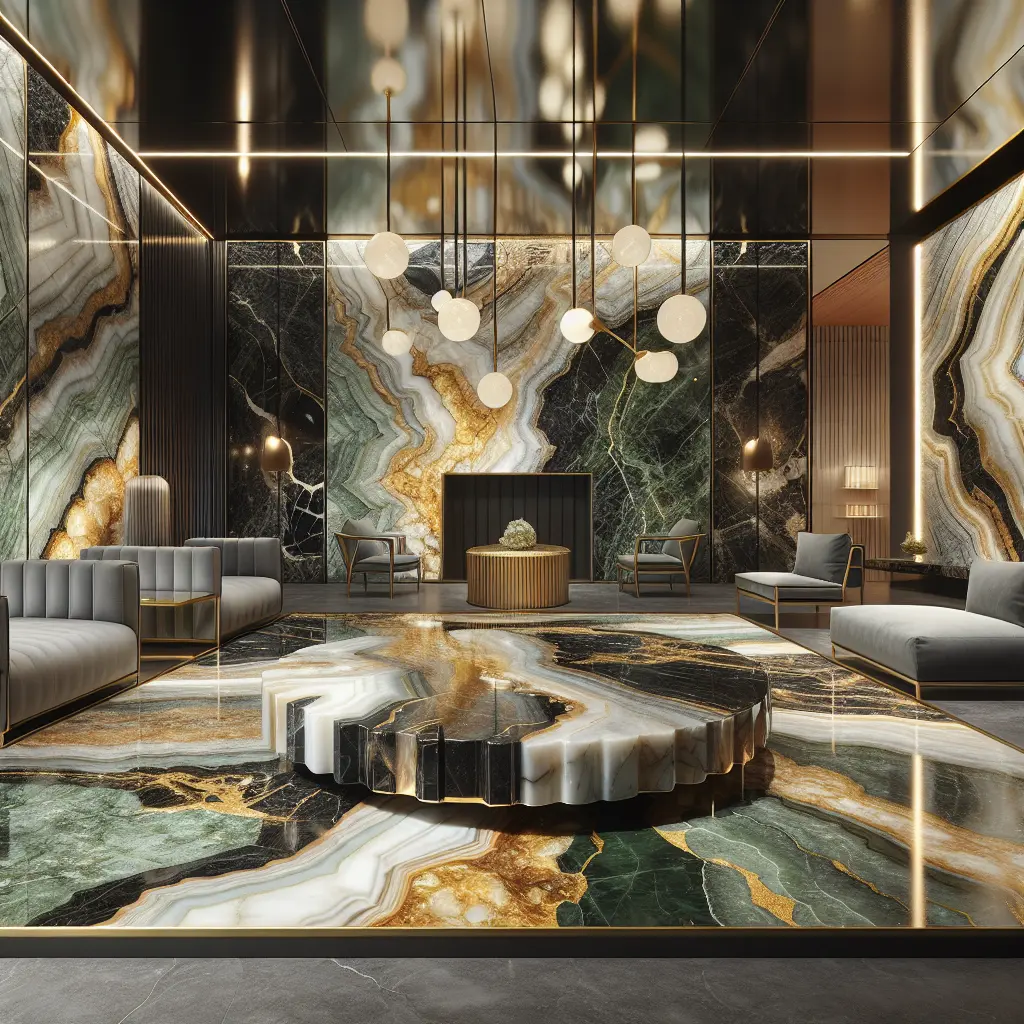
Marble has long been associated with timeless elegance and sophistication. However, in 2025, a bold new trend is taking the design world by storm: colored marble. Moreover, this vibrant material is redefining how we think about marble, moving beyond its traditional white and neutral tones. Furthermore, colored marble is being used to create striking, dynamic interiors that exude personality and creativity.
Why Colored Marble is Gaining Popularity
As design trends shift toward more expressive and personalized spaces, therefore colored marble has become a go-to material for designers. Additionally, its unique patterns and vibrant hues allow for endless creative possibilities. Moreover, colored marble can serve as a statement piece, transforming any room into a work of art. Consequently, it is being embraced in both residential and commercial projects.
Popular Shades of Colored Marble
Although classic white marble remains a favorite, nevertheless, bold colors like green, blue, and pink are becoming increasingly popular. For instance, Verde Alpi marble, with its deep green tones, is perfect for creating a luxurious yet natural aesthetic. Meanwhile, Rosa Aurora marble, with its soft pink hues, adds warmth and charm to interiors. Furthermore, exotic marbles with multicolored veins are being used to create one-of-a-kind designs.
Applications of Colored Marble in Modern Design
Because of its versatility, colored marble is being used in a variety of applications. For example, it is often featured in statement walls, kitchen countertops, and bathroom vanities. Additionally, designers are incorporating it into furniture pieces such as coffee tables and sideboards, thus adding a touch of luxury to everyday items. Moreover, colored marble is being paired with metals like brass or gold to enhance its vibrant appeal.
Combining Colored Marble with Neutral Tones
While colored marble is bold and eye-catching, hence it is often balanced with neutral tones to create harmony. For instance, pairing a vibrant marble countertop with white or beige cabinetry ensures the design remains cohesive. Additionally, neutral backdrops allow the marble’s colors to stand out, thus making it the focal point of the space.
Sustainability in Colored Marble Production
As sustainability becomes a priority in design, therefore manufacturers are adopting eco-friendly practices in colored marble production. Moreover, advancements in technology have made it possible to create vibrant marble patterns using recycled materials. Consequently, designers can now enjoy the beauty of colored marble while minimizing their environmental impact.
Conclusion
Colored marble is revolutionizing the design world, offering a fresh and vibrant alternative to traditional marble. Although it is a bold choice, nonetheless, its versatility and unique aesthetic make it a valuable addition to any space. Finally, as we move further into 2025, the use of colored marble will undoubtedly continue to grow, inspiring designers to push the boundaries of creativity.


