
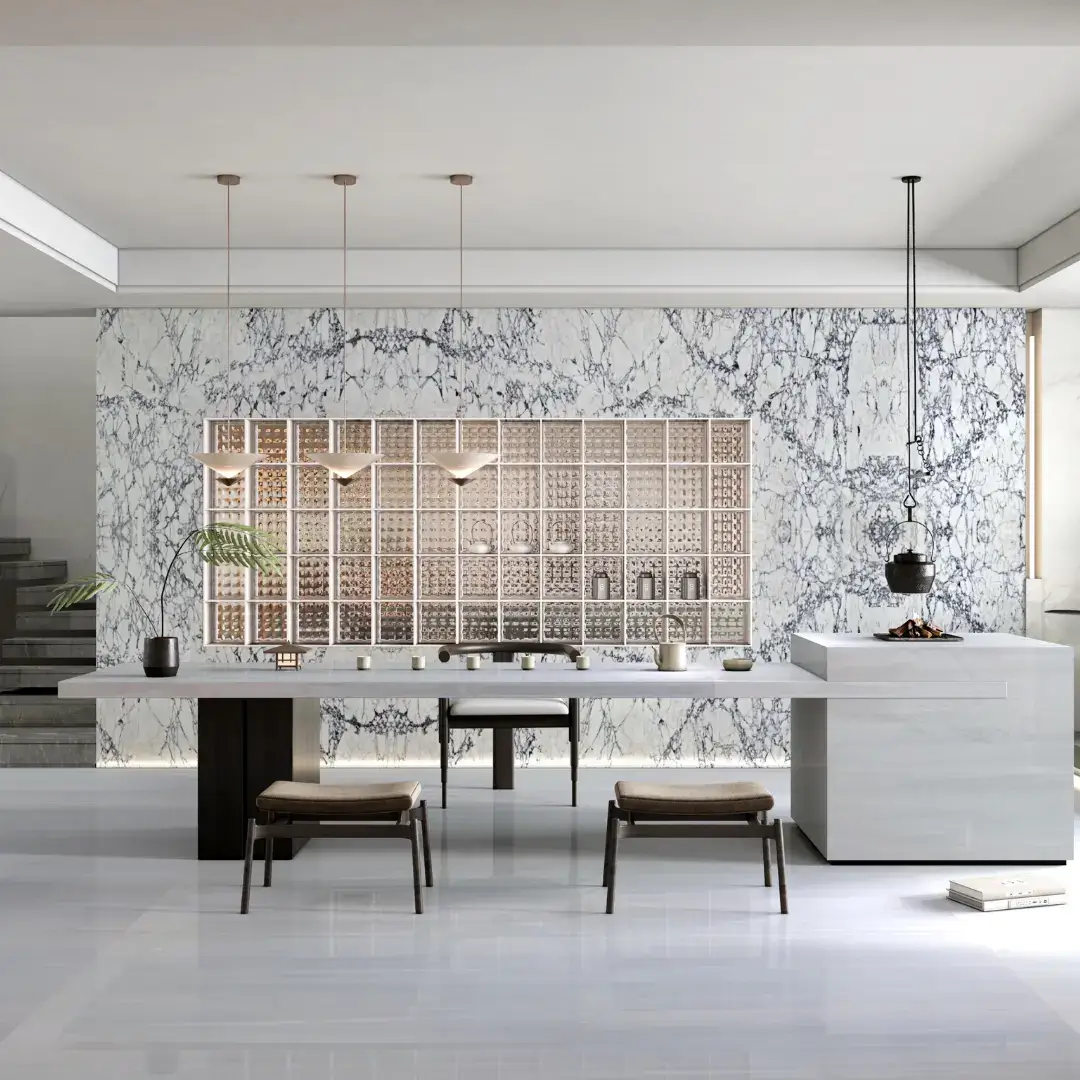
Marble has long been associated with timeless elegance, durability, and luxury. From classic sculptures in ancient Rome to modern interior designs, marble continues to be one of the most sought-after natural stones. However, selecting the right type of marble for your project is not as simple as picking a beautiful slab. With so many variations in quality, origin, finish, and price, it is essential to evaluate your options carefully.
In this article, we will cover the five most important factors you should consider when choosing marble for your home, office, or commercial space.
1. Quality and Grade of Marble
The first factor to evaluate is the quality and grade of the marble. Not all marble is created equal. Some slabs have fewer natural veins and imperfections, while others may contain fissures, pores, or color variations. Marble is generally categorized into commercial grade and first grade (premium).
-
Commercial Grade: May have more natural defects, variations, and inconsistencies, making it more affordable but less flawless in appearance.
-
First Grade: Carefully selected slabs with uniform color, fewer imperfections, and consistent veining patterns, often used in high-end projects.
Inspecting the slab in person is crucial to ensure you are getting the desired quality. Choosing a reputable supplier can also guarantee better consistency and durability.
2. Color and Veining Patterns
One of the most distinctive features of marble is its unique color palette and veining patterns. From the classic white Carrara to the deep black Marquina or the bold Calacatta with striking gray veins, every marble variety tells a different story.
When choosing marble, consider:
-
Design Harmony: Will the marble complement your existing interior design, furniture, and lighting?
-
Application Area: Subtle veining might work best for bathroom walls, while bold, dramatic veins can create stunning kitchen islands or statement flooring.
-
Long-Term Appeal: Neutral tones such as white, beige, or gray tend to remain timeless, while unusual colors might be trendy but risk going out of style.
Since marble is a natural stone, no two slabs are identical. This uniqueness is part of its charm but requires careful selection to achieve the desired aesthetic.
3. Finish and Texture
Marble can be finished in different ways, and the choice of finish significantly impacts both appearance and functionality. The three most common finishes are:
-
Polished: Smooth, glossy, and reflective. It enhances the natural colors and veins but may scratch more easily and show stains.
-
Honed: Matte finish with a soft look. It is more resistant to scratches but may be more porous and prone to staining.
-
Brushed or Tumbled: Textured finish that provides a rustic and antique look. Ideal for outdoor areas or spaces where slip resistance is important.
When selecting a finish, consider where the marble will be installed. For example, polished marble is stunning for countertops but may be slippery on bathroom floors.
4. Maintenance Requirements
Unlike synthetic materials, marble is a natural stone that requires regular care and maintenance. It is porous, which means it can absorb liquids and stain easily if not properly sealed.
Key points to keep in mind:
-
Sealing: Marble surfaces should be sealed upon installation and resealed periodically to protect against stains and moisture.
-
Cleaning: Use pH-neutral cleaners specifically designed for natural stone. Acidic substances like vinegar or lemon can etch the surface.
-
Durability: While marble is long-lasting, it is softer compared to granite or quartz, making it more prone to scratches and etching.
Understanding the maintenance needs will help you decide if marble is the right choice for your lifestyle and project.
5. Price and Budget Considerations
Finally, one of the most important factors is cost. Marble pricing varies widely depending on the type, rarity, origin, and finish. Rare varieties like Calacatta or Statuario are significantly more expensive than more common options like Carrara.
When budgeting, consider not only the cost of the slabs but also:
-
Installation Fees: Marble installation requires skilled professionals to ensure proper cutting, sealing, and fitting.
-
Maintenance Costs: Regular sealing and potential repairs add to the lifetime cost.
-
Longevity: While the initial investment may be high, marble can last for decades when maintained properly, making it a long-term investment.
Balancing your budget with your design goals is key to making the right decision.
Conclusion
Choosing the right marble for your project involves much more than selecting a beautiful slab. By considering quality, color, finish, maintenance, and cost, you can make an informed decision that enhances both the functionality and aesthetic appeal of your space.
Marble remains one of the most luxurious and timeless building materials, but its success depends on selecting the right type for the right application. Whether you’re renovating your kitchen, designing a bathroom, or creating an elegant commercial space, paying attention to these five factors will ensure your investment in marble truly pays off.


