
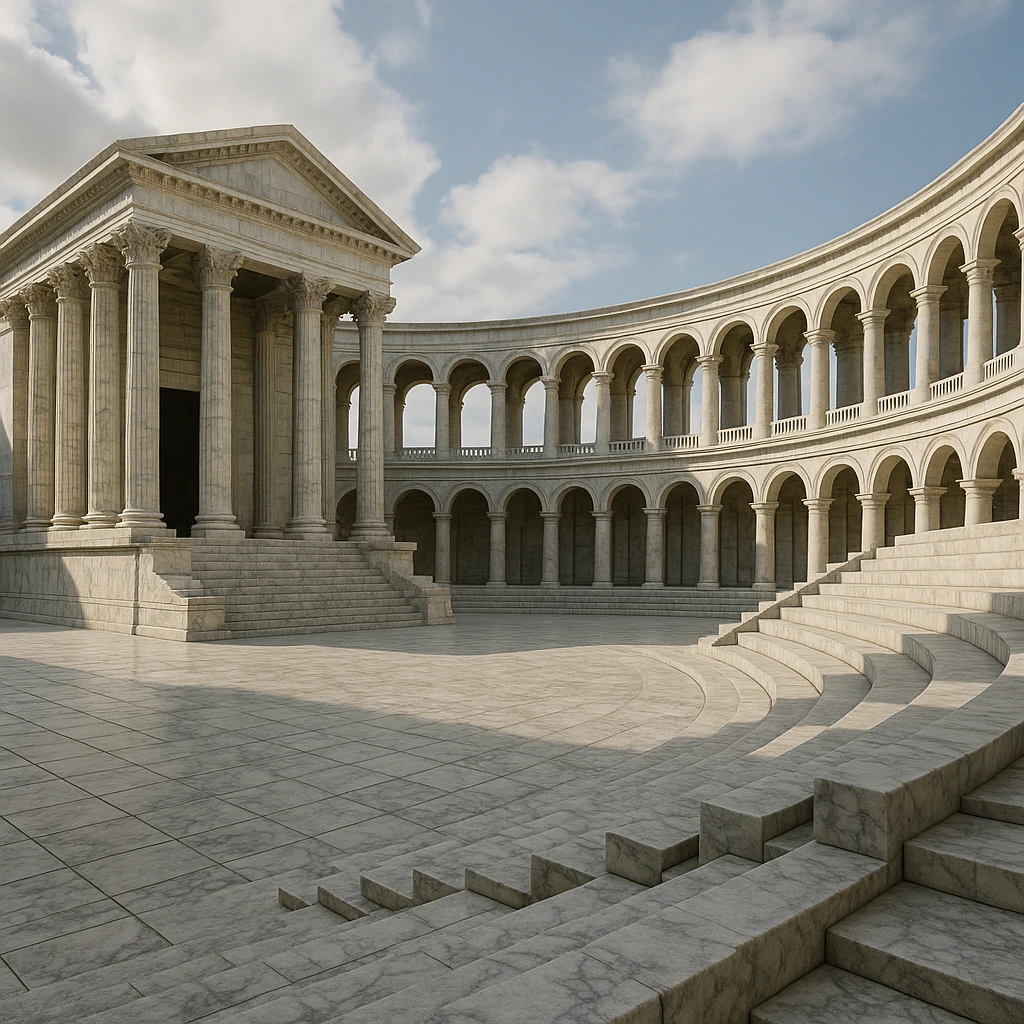
Marble has been one of the most cherished natural stones in human history. Its unique beauty, durability, and versatility have made it a preferred material for art, architecture, and design across many civilizations. This article explores the fascinating journey of marble — from its early uses in ancient cultures to its role in modern construction and interior design.
Marble in Ancient Civilizations
Marble’s story begins thousands of years ago, when early civilizations discovered its potential not only as a building material but as a medium for artistic expression.
Ancient Egypt
In Ancient Egypt, marble was used primarily for decorative purposes and statues. Although limestone was more common, marble was highly valued for its smooth texture and striking appearance. It was often associated with the divine and was used in temples, tombs, and monuments dedicated to gods and pharaohs.
Ancient Greece
The Greeks were among the first to fully explore marble’s artistic potential. Greek sculptors chose marble for its fine grain and ability to hold intricate detail. Famous works such as the Venus de Milo and the Parthenon’s decorative elements showcase the Greeks’ mastery in working with marble. Greek marble, especially from quarries in Paros and Naxos, became highly sought after and was traded throughout the Mediterranean.
Ancient Rome
The Romans took marble to new heights, using it extensively in their architecture and public spaces. Buildings like the Pantheon, the Roman Forum, and countless triumphal arches were constructed with or adorned in marble. The Romans also perfected techniques for transporting large marble blocks over long distances, enabling the spread of marble’s use throughout the empire.
Marble in the Middle Ages and Renaissance
While the use of marble declined during the early Middle Ages, it experienced a resurgence during the Renaissance. This era saw renewed interest in classical art and architecture, and marble became central to the works of some of history’s most famous artists.
Medieval Uses
In medieval Europe, marble was mostly used in churches and cathedrals. Columns, altars, and decorative elements were crafted from marble to reflect the wealth and power of religious institutions. However, much of the marble used during this time was reclaimed from Roman ruins.
Renaissance Revival
The Renaissance marked the golden age of marble sculpture. Artists like Michelangelo and Donatello chose marble to create masterpieces that still inspire awe today. Michelangelo’s David and Pietà are prime examples of how marble could be transformed into lifelike, emotionally powerful forms. The Renaissance also saw marble used extensively in the architecture of Florence, Rome, and Venice, contributing to the cities’ timeless elegance.
Marble in the Modern World
Today, marble continues to be a symbol of luxury and sophistication. Advances in technology have made quarrying, cutting, and finishing marble more efficient, expanding its use in both residential and commercial settings.
Architecture and Construction
Marble remains a popular choice for flooring, walls, facades, and columns. Modern architects often combine marble with glass, steel, and concrete to create stunning contrasts between natural stone and industrial materials. Notable contemporary buildings, such as the Getty Center in Los Angeles, feature extensive use of marble, proving that this ancient material still has a place in modern design.
Interior Design
In interior spaces, marble is prized for its elegance and versatility. From kitchen countertops and bathroom vanities to fireplace surrounds and furniture, marble adds a touch of timeless beauty. Designers can choose from polished, honed, or textured finishes to suit different styles, whether minimalist, classic, or eclectic.
Technological Innovations
Modern stone processing technologies, such as water jet cutting and CNC machining, allow for precise and intricate marble designs that would have been impossible in ancient times. Sustainable quarrying practices and improved logistics have also made it easier and more eco-friendly to source and transport marble globally.
Symbolism and Cultural Significance of Marble
Throughout history, marble has symbolized wealth, power, and cultural refinement. The presence of marble in a building or artwork has often been a statement of status. In many cultures, marble is associated with purity (especially white marble), eternity, and strength — qualities that explain its frequent use in monuments, memorials, and sacred spaces.
Famous Marble Monuments Around the World
Some of the world’s most iconic landmarks are made of marble:
-
The Taj Mahal (India) – Built in the 17th century, this white marble mausoleum is renowned for its breathtaking beauty and craftsmanship.
-
The Parthenon (Greece) – A testament to the architectural genius of ancient Athens, much of its structure was made from Pentelic marble.
-
The Lincoln Memorial (USA) – This monument to Abraham Lincoln features marble from Colorado, Indiana, and Georgia.
-
The Duomo of Florence (Italy) – The cathedral’s façade is adorned with white, green, and pink marble, creating a stunning visual effect.
The Future of Marble
As design trends evolve, marble continues to adapt. While natural marble remains highly desirable, innovations such as engineered marble and marble-look ceramics provide more affordable and sustainable alternatives. Yet, for those seeking authenticity and natural beauty, genuine marble remains unmatched.
Architects and designers are increasingly mindful of sourcing marble responsibly, ensuring that this precious resource can continue to grace our buildings and art for generations to come.
Conclusion
From ancient temples to modern skyscrapers, marble’s history reflects its enduring appeal and versatility. Its unique properties — natural beauty, strength, and symbolic value — have allowed it to transcend time and style. As we look to the future, marble will no doubt continue to be a material of choice for those seeking to blend tradition with innovation.


