
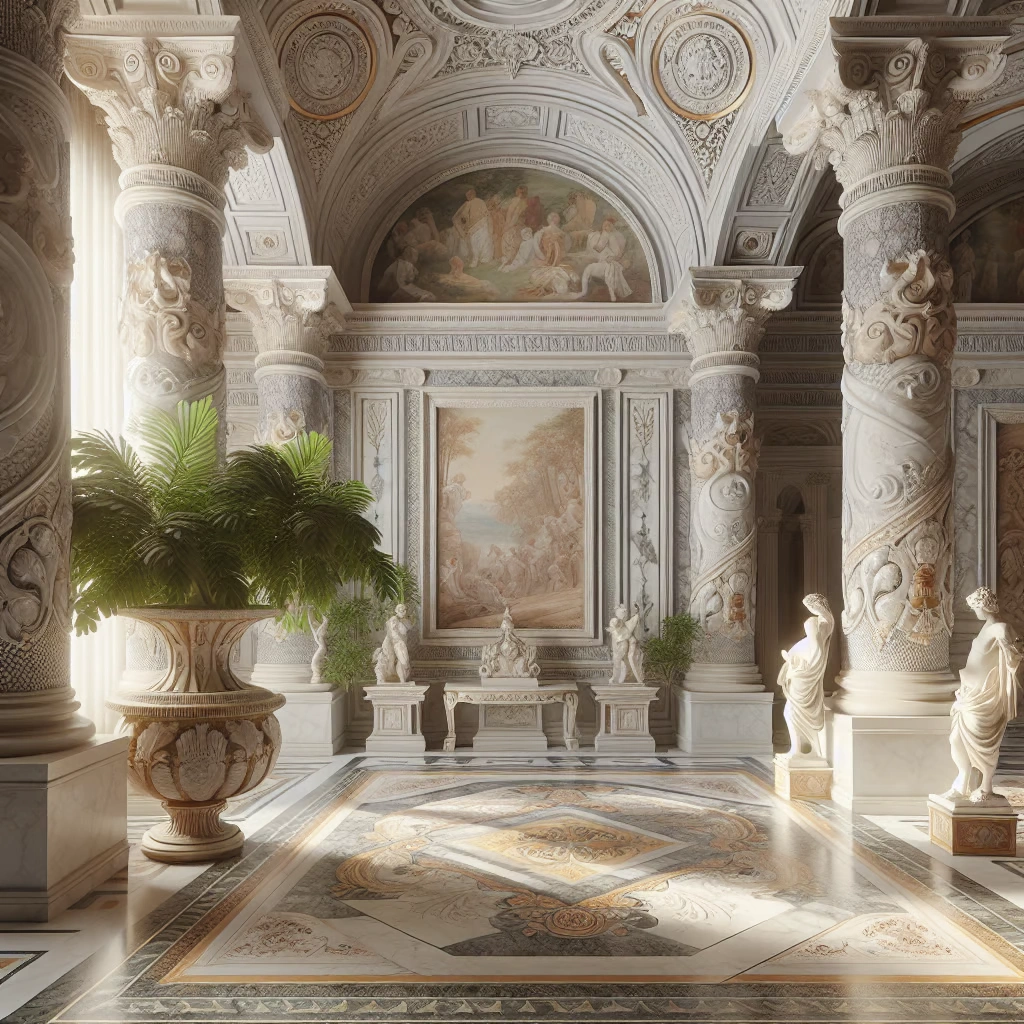
Marble has been a cornerstone of architectural and artistic expression for centuries. From the grandiose structures of ancient civilizations to the sleek interiors of modern homes, marble has evolved in its use and significance. This blog explores the journey of marble, its historical importance, and its role in contemporary design.
The Historical Significance of Marble
Marble has been used as a building material since ancient times. The Greeks and Romans were among the first to recognize its beauty and durability, using it extensively in temples, sculptures, and monuments. Iconic structures like the Parthenon in Athens and the Pantheon in Rome stand as testaments to the timeless appeal of marble. Its natural veining and smooth texture made it a favorite among artists and architects, symbolizing luxury and sophistication.
Marble in Renaissance Art and Architecture
During the Renaissance, marble experienced a resurgence in popularity. Artists like Michelangelo used marble to create masterpieces such as the statue of David and the Pietà. Architects incorporated marble into the design of cathedrals and palaces, further cementing its status as a material of choice for the elite. The Renaissance period showcased marble’s versatility, as it was used for both structural and decorative purposes.
The Transition to Modern Usage
In the modern era, marble has transitioned from being a material reserved for monumental structures to a staple in residential and commercial design. Advances in quarrying and processing technology have made marble more accessible, allowing it to be used in a variety of applications. From countertops and flooring to feature walls and furniture, marble has become a symbol of contemporary elegance.
Why Marble Remains Popular Today
- Timeless Aesthetic
- Durability and Longevity
- Versatility in Design
- Eco-Friendly and Sustainable
Caring for Marble in Modern Homes
While marble is a durable material, it requires proper care to maintain its beauty. Regular cleaning with pH-neutral cleaners, sealing to prevent stains, and avoiding abrasive materials are essential steps in marble maintenance. With the right care, marble installations can last for decades, adding value and elegance to any space.
Conclusion
From its origins in ancient architecture to its role in modern interior design, marble has proven to be a timeless material. Its unique combination of beauty, durability, and versatility ensures that it will continue to be a favorite among designers and homeowners for years to come. Whether used in historical monuments or contemporary homes, marble remains a symbol of elegance and sophistication.


